10+1 things you probably did not know about quilting
When I started making this list, I wasn’t sure that I could come up with enough items, but as soon as I’d written down one, the rest came easily. Some of these 10+1 things may be familiar to you – they definitely aren’t secrets!
 Most items on this list are things that I wish someone had explained to me when I was a beginner quilter! So here they are: 10+1 things about quilting that you did not know – or at least haven’t stopped to think about in a while.
Sometimes the wrong side just looks better with the other fabrics. Ugly fabrics, for example! Or, the wrong side may be just that much lighter in value than its neighbours, and achieve good contrast. Here’s an example - both the lower two blocks in this image have at least one square with its wrong side up:
Especially adjacent pieces in a block should have value contrast so that they won’t blend into each other when viewed from a distance.
This log cabin block represents good value contrast: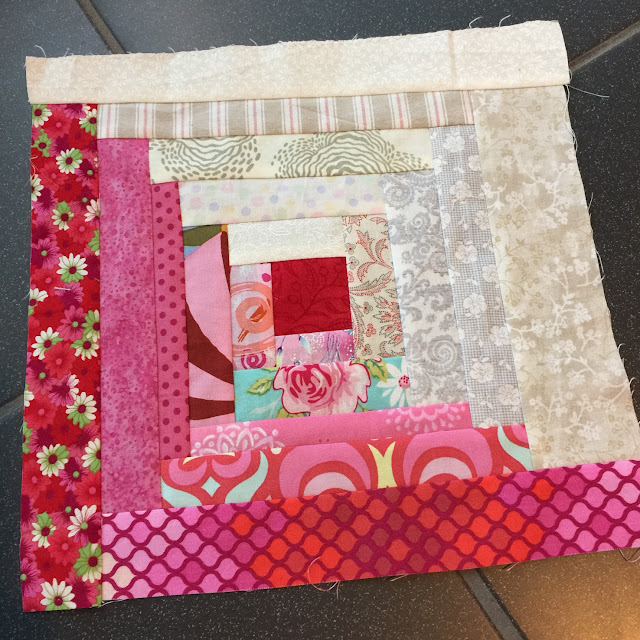
When a quilt block consists of straight edge pieces, the pieces should be cut on the straight or cross grain of the fabric. It may be tempting to take a large enough scrap and cut a piece off grain or diagonally, but the piece may cause problems. This is because a diagonal edge tends to stretch when sewn, and as a result, the block may not lie flat.
When you need many diagonally cut pieces for a block, you may want to try paper-piecing in the construction phase. I paper-pieced the blocks for my Twinkle! / Tuikkikaa! Quilt:
The same goes for pressing. It may be tempting to leave seams as they are, perhaps pressing only a little with a finger, but it will be harder for you to sew the next seams without them flipping into a wrong position.
Pressing helps the quilting process for many reasons. For one, it’s easier to cut accurately from wrinkle free fabric, and it is easier to construct the block when the pieces are wrinkle-free. NOT like in this image: It may be necessary to press seams to the other side or open when making a quilt block – sometimes even many times. When the block is finished, it will look much nicer when it’s pressed and flat.
When you sew your blocks into a quilt top, you will need to press those seams too because you will want the top to lie very flat for quilting. Unpressed seams will make quilting difficult, if not impossible. The unpressed seams may fall every which way, and the result can very well be a lumpy quilt with folds in the backing.
Subtle manipulation may be ok, but any more of it and the quilt block will no longer lie flat, even after pressing. Enough of such blocks or seams, and the quilt surface will be really difficult to quilt neatly.
If your goal isn’t to create a perfect showpiece, you can use those non-perfect blocks because the matching points are evident only when one is looking at them up close.
After all, the uniform size of blocks is more important than losing some of the sharp points. When the blocks are all of the same size, the surface will lie flat, which makes it easier to quilt.
Here’s an example from one of my projects, where most of my blocks lost their sharp points in the trimming phase: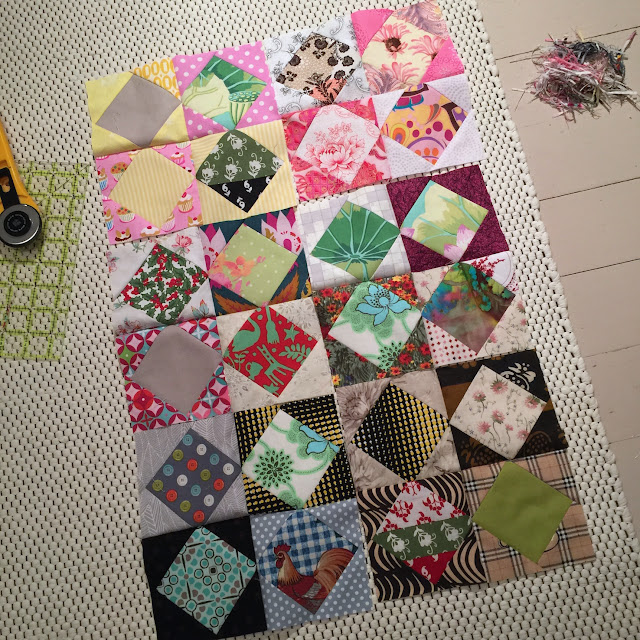 Here’s the finished quilt, ”Pöydät täyteen” / “Tables Full” – and at least my eye sees the overall pattern and the colours and doesn’t notice the blunt points of the blocks:
 Close enough is usually good enough!
 However, selvages can behave differently from the rest of the fabric, which I now know – and that’s why I no longer use them in my quilt blocks. Better safe than sorry!
Sometimes though, quilters take advantage of the special characteristic of selvages, namely that one of the edges won’t fray, and use them in interesting ways. I’ve used selvages this way in one wall hanging (though not in a particularly interesting way):
The following is a borderline case of loose quilting – and you can see how the more densely quilted areas appear neater; wrinkle-free. Even if your vision is that the batting puffs up the spaces between the stitching lines, the effect is not a long-lived one. In time, the once puffy batting will flatten, and you will be left with a rumpled looking surface on your quilt.
I’ve covered the topic of loose quilting in more detail in the recent post, 6 common quilting mistakes that are worth fixing.
If you choose a striped fabric, the bias-cut binding will give your quilt a quirky final touch:
Of course we should change the blade right then! It is so much easier to cut with a fresh, sharp blade.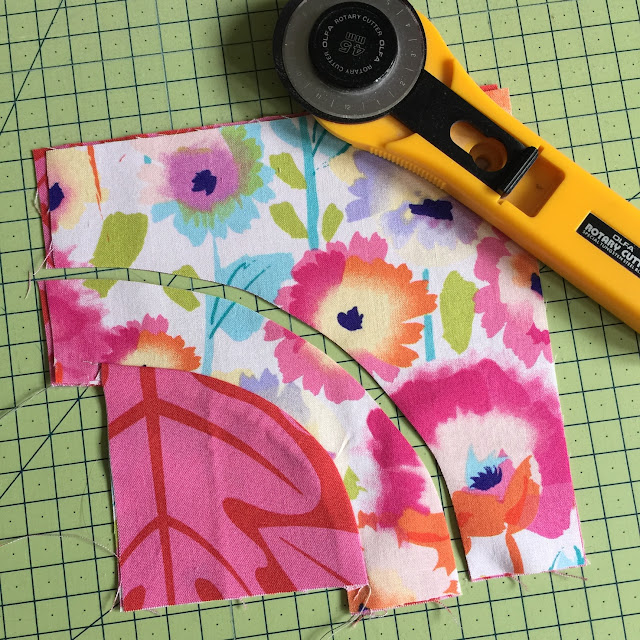 At least I say this every time: “now why didn’t I change this sooner”.
If you want to follow my quilting endeavours and get some quilting tips, too, you can subscribe to my biweekly newsletter here: https://tilkunviilaaja.blogspot.com/p/subscribe-today.html

1. Fabric won’t mind if you do use it wrong side out.
Because fabric has a “right side” and a “wrong side,” it takes me a bit of mental effort to consider using it the wrong side up. But if the wrong side of the fabric looks better for a project, we are allowed to use it that way.Sometimes the wrong side just looks better with the other fabrics. Ugly fabrics, for example! Or, the wrong side may be just that much lighter in value than its neighbours, and achieve good contrast. Here’s an example - both the lower two blocks in this image have at least one square with its wrong side up:
2. Value contrast is more important than the colours you use.
Value contrast – the difference between light and dark areas – does the major work in a quilt. Even though people often think that success comes from choosing colour, most of the time it is properly executed value contrast that makes the quilt successful. Colour contrast is not enough!Especially adjacent pieces in a block should have value contrast so that they won’t blend into each other when viewed from a distance.
This log cabin block represents good value contrast:
3. There is a reason why you should not cut your quilt block pieces willy nilly.
Grain direction matters more than many quilters realise.When a quilt block consists of straight edge pieces, the pieces should be cut on the straight or cross grain of the fabric. It may be tempting to take a large enough scrap and cut a piece off grain or diagonally, but the piece may cause problems. This is because a diagonal edge tends to stretch when sewn, and as a result, the block may not lie flat.
When you need many diagonally cut pieces for a block, you may want to try paper-piecing in the construction phase. I paper-pieced the blocks for my Twinkle! / Tuikkikaa! Quilt:
4. Most rules in quilting are based on helping your tomorrow self.
Rules are easier to follow when you understand why such a rule exists. You saw that cutting willy nilly is not recommended; that is a great example of a rule that exists for a reason. If you do not cut your block pieces on the grain today, you will probably have a more difficult time tomorrow because your edges will stretch more easily.The same goes for pressing. It may be tempting to leave seams as they are, perhaps pressing only a little with a finger, but it will be harder for you to sew the next seams without them flipping into a wrong position.
5. Pressing is an important part of quilting.
If you love quilting but avoid the iron, your quilts and your quilting process will suffer. If you cannot learn to love the iron and the act of pressing, you should at least learn to be ok to do it when necessary.Pressing helps the quilting process for many reasons. For one, it’s easier to cut accurately from wrinkle free fabric, and it is easier to construct the block when the pieces are wrinkle-free. NOT like in this image:
When you sew your blocks into a quilt top, you will need to press those seams too because you will want the top to lie very flat for quilting. Unpressed seams will make quilting difficult, if not impossible.
6. The less you feed or pull the fabric while sewing, the better your surface will be.
Those of us who have recently graduated to quilting from garment sewing may have a habit of manipulating the fabric subtly while sewing, to make the edges or seams meet more accurately.Subtle manipulation may be ok, but any more of it and the quilt block will no longer lie flat, even after pressing. Enough of such blocks or seams, and the quilt surface will be really difficult to quilt neatly.
7. Perfect points matter less than most quilters think.
Some blocks include sharp points which ideally should match the neighbouring points exactly. If your block doesn’t finish exactly the right size, the points will not match. What to do?If your goal isn’t to create a perfect showpiece, you can use those non-perfect blocks because the matching points are evident only when one is looking at them up close.
After all, the uniform size of blocks is more important than losing some of the sharp points. When the blocks are all of the same size, the surface will lie flat, which makes it easier to quilt.
Here’s an example from one of my projects, where most of my blocks lost their sharp points in the trimming phase:
8. The fabric selvages are not used in quilting – except for special projects.
When I first started quilting, my stash was between meagre and non-existent. I wanted to use all my fabric, including the selvages.Sometimes though, quilters take advantage of the special characteristic of selvages, namely that one of the edges won’t fray, and use them in interesting ways. I’ve used selvages this way in one wall hanging (though not in a particularly interesting way):
9. It is usually not a great idea to quilt your top loosely.
Though I’m not a proponent of super dense quilting, there is a sweet spot between too little and too much. Too little quilting – for example if you are afraid that your quilting lines will distract the beautiful pattern of the fabric in the block – usually results in an untidy look. The unquilted areas may appear rumpled. If the quilt creation is destined for a wall, loosely quilted areas will probably sag after a while.The following is a borderline case of loose quilting – and you can see how the more densely quilted areas appear neater; wrinkle-free.
I’ve covered the topic of loose quilting in more detail in the recent post, 6 common quilting mistakes that are worth fixing.
10. Binding cut on the bias is great for two reasons.
Binding strip cut on the bias helps avoid a wavy quilt edge because it stretches more easily than a strip cut on the grain. It’s easier to keep the bias strip stretched a little when attaching it to the quilt edge, and the edge will come out snug, not wavy. A bias-cut strip is more durable too.If you choose a striped fabric, the bias-cut binding will give your quilt a quirky final touch:
+1 - You should probably change your rotary blade more often.
Does this sound familiar: you notice that it might be time to change the blade in your rotary cutter, and then instantly reassure yourself that it’s good to go for a little longer?Of course we should change the blade right then! It is so much easier to cut with a fresh, sharp blade.
Final thoughts about quilting facts
These were my 10+1 observations, not a list of rules – though many quilting “rules” are helpful. Which less known – or less thought about – but true things about quilting did I miss? Let me know in the comments!If you want to follow my quilting endeavours and get some quilting tips, too, you can subscribe to my biweekly newsletter here: https://tilkunviilaaja.blogspot.com/p/subscribe-today.html


Comments